
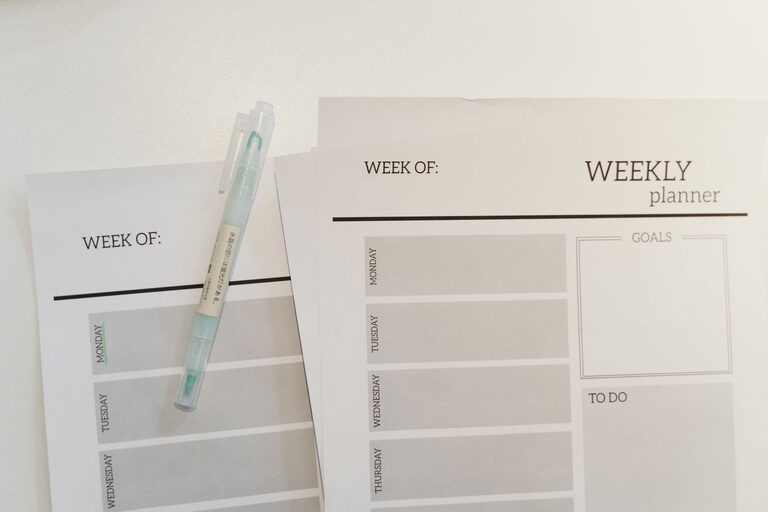
Setting weekly goals is a powerful way to maintain focus and make steady progress toward your larger aspirations. However, if your goals are too ambitious or vague, it’s easy to feel overwhelmed or discouraged. The key is to set realistic weekly goals that challenge you while remaining attainable. This guide will walk you through practical steps to set weekly goals you can confidently reach.
Why Set Weekly Goals?
Weekly goals provide a clear direction for your short-term efforts. Unlike yearly resolutions or monthly plans, weekly goals allow you to adjust regularly based on your progress and priorities. They help you:
– Stay organized and focused
– Monitor progress closely
– Build momentum with small wins
– Reduce procrastination
– Manage time effectively
By breaking down large projects or life changes into weekly tasks, you can avoid burnout and maintain steady motivation.
How to Set Realistic Weekly Goals
1. Reflect on Your Priorities
Begin by reviewing your bigger picture: What are your key priorities for the month or quarter? Understanding your main objectives helps you decide which tasks deserve your focus this week.
Take a moment to list your top priorities. For example:
– Complete a chapter of a book you’re writing
– Improve fitness by exercising three times
– Organize your workspace
– Learn a new skill or tool
2. Use the SMART Goal Framework
SMART goals are Specific, Measurable, Achievable, Relevant, and Time-bound. Applying this framework brings clarity and realism to your weekly goals.
– Specific: Define exactly what you want to achieve. Instead of “exercise more,” say “walk 30 minutes on Monday, Wednesday, and Friday.”
– Measurable: Choose goals you can track. For example, “finish 5 pages of a report.”
– Achievable: Make sure your goal is doable within a week given your schedule and resources.
– Relevant: Align your weekly goals with your broader priorities.
– Time-bound: Set a deadline within the week to complete the goal.
3. Break Big Tasks into Smaller Steps
If a task feels too large to finish in a week, break it into manageable pieces. For example, writing a book chapter might be split into:
– Outline the chapter (Monday)
– Write 3 pages (Tuesday and Wednesday)
– Revise and edit (Thursday)
– Final review (Friday)
Smaller steps reduce overwhelm and make progress clear.
4. Limit the Number of Goals
Avoid overloading your week with too many goals. A good rule of thumb is to choose 3–5 meaningful goals. Quality over quantity ensures you focus energy on doing fewer tasks well instead of spreading yourself thin.
5. Schedule Your Goals
Put your goals on your calendar or planner. Assign specific days and times to work on each task. Scheduling increases accountability and helps you build a habit.
6. Stay Flexible
Life can be unpredictable. If unexpected events arise, adjust your weekly goals accordingly. Moving a goal to next week is better than abandoning it completely.
7. Review and Reflect Weekly
At the end of the week, spend a few minutes reviewing what you accomplished. Ask yourself:
– Which goals did I complete?
– What challenges did I face?
– What worked well in my planning?
– What can I improve for next week?
Reflection helps you refine your goal-setting process over time.
Tips for Success
– Use a Goal-Tracking Tool: Apps, journals, or simple checklists can help you track daily progress.
– Celebrate Small Wins: Reward yourself for completing weekly goals to stay motivated.
– Avoid Perfectionism: Aim for progress, not perfection.
– Set Both Personal and Professional Goals: Balanced goals support overall well-being.
– Share Your Goals: Telling a friend or colleague can boost accountability.
Example of a Realistic Weekly Goal Plan
| Day | Goal | Time Allocation |
|———-|————————————|——————-|
| Monday | Outline blog post | 1 hour |
| Tuesday | Write first draft (3 pages) | 2 hours |
| Wednesday| Exercise (30-minute walk) | 30 minutes |
| Thursday | Edit blog post | 1.5 hours |
| Friday | Schedule blog post publication | 30 minutes |
This plan breaks down a blog post project into clear, manageable tasks along with a fitness goal, creating a balanced week.
Final Thoughts
Setting realistic weekly goals is a skill that can transform your productivity and motivation. By focusing on clear priorities, breaking down tasks, and maintaining flexibility, you’ll build a constructive routine that leads to steady progress. Start small, be consistent, and watch how achievable goals bring you closer to your dreams.