
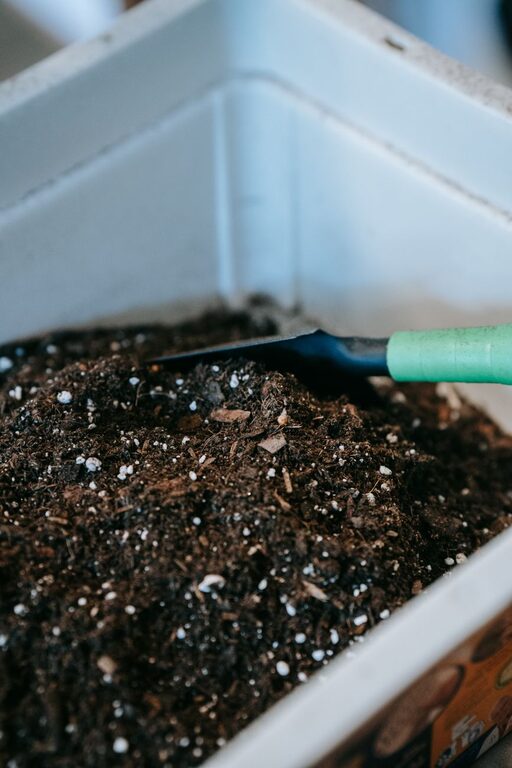
Composting at home is a fantastic way to reduce waste, nourish your garden, and contribute to a healthier environment. If you’re new to composting, it might seem a bit overwhelming at first, but with a few simple tips, you can start turning your kitchen scraps and yard waste into rich, useful compost. This guide will walk you through the basics to help you create your own compost pile or bin with confidence.
Why Compost at Home?
Composting is the natural process of recycling organic matter like food scraps and yard waste into fertilizer. It benefits your garden by improving soil structure, providing essential nutrients, and encouraging beneficial microorganisms. Plus, composting reduces the amount of waste sent to landfills, helping lower your household’s carbon footprint.
Choosing Your Composting Method
Compost Bin or Pile?
– Compost Bin: A container designed to hold compost materials. Bins are tidy and deter pests, making them ideal for smaller spaces or urban settings.
– Compost Pile: Simply a heap of organic waste in your yard. Piles are easy to start but may require a larger outdoor space and more management.
Some popular compost bins include tumblers, which make turning the compost easier, and stationary bins made from plastic or wood. Choose what fits your available space and convenience.
What Can You Compost?
Green Materials (Nitrogen-Rich)
– Fruit and vegetable scraps
– Coffee grounds and tea bags
– Fresh grass clippings
– Plant trimmings
Brown Materials (Carbon-Rich)
– Dry leaves
– Straw or hay
– Shredded paper or cardboard
– Wood chips or sawdust
Avoid Composting
– Meat, fish, and dairy products (attract pests)
– Oils and fats
– Pet waste
– Diseased plants or weeds with seeds
Maintaining a good balance between greens and browns helps compost break down efficiently and prevents odors.
Setting Up Your Composting Area
Location
– Choose a dry, shady spot with good drainage.
– Keep it accessible so you can add materials regularly and turn the compost.
Preparing the Base
– Start with a layer of coarse materials like twigs or straw. This helps with air circulation.
Starting Your Compost
- **Add Materials in Layers:** Alternate green and brown layers to maintain balance.
- **Keep it Moist:** Compost should be as damp as a wrung-out sponge. Water occasionally if dry.
- **Turn or Mix Regularly:** Every 1-2 weeks, turn your compost with a pitchfork or compost aerator to speed up decomposition and prevent odor.
Troubleshooting Common Composting Issues
– Bad Smell: Usually means too much green material or not enough air. Add brown materials and turn the pile.
– Pile Not Heating Up: May lack nitrogen or moisture. Add green materials and water if dry.
– Pests: Avoid adding meat or oily foods. Use a closed bin if needed.
Harvesting Your Compost
After a few months (depending on conditions), your compost should look dark, crumbly, and smell earthy. Use it to enrich garden beds, potting mix, or as mulch.
Extra Tips for Composting Success
– Chop or shred larger scraps to speed decomposition.
– Use a kitchen compost container to collect scraps daily.
– Consider vermicomposting (worm composting) if space is limited or you want to compost indoors.
Getting the Whole Family Involved
Composting can be a fun and educational activity for kids. Teach them about environmental responsibility and watch the transformation together.
—
Starting to compost at home is a rewarding step toward a greener lifestyle. With these beginner tips, you’ll create a sustainable cycle that benefits your garden and the planet. Happy composting!